

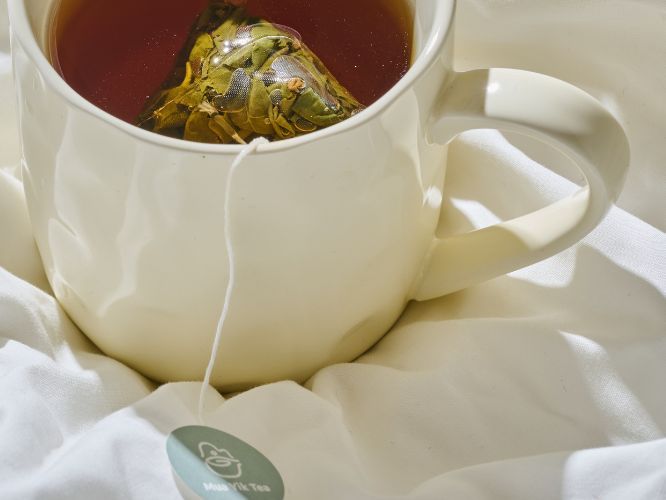
Best Tea for Fall: How to Choose the Right One
As the air turns cooler and the days get shorter, tea naturally becomes part of the daily rhythm again. But if you're searching for the best tea for fall, it's easy to feel unsure where to start — oolong, black, green, herbal, roasted, floral — with so many options, the "right" one really depends on what you're looking for.
This guide breaks down how to think about choosing the best tea for fall, what makes certain teas better suited to the season, and which three whole-leaf teas we recommend trying first this year.
Why Tea Choice Changes With the Season
Tea isn't just about caffeine or flavor — it's also about how a cup makes you feel in the moment. As temperatures drop, preferences tend to shift toward teas with more depth: richer aroma, warmer mouthfeel, and flavors that feel comforting rather than refreshing. This is why roasted oolongs, spiced black teas, and heavier-bodied teas are often considered the best tea for fall, becoming more popular from early autumn through winter.
What Makes a Tea "Good for Fall"
A few characteristics tend to stand out when a tea fits the season well:
Roast level and body.
Teas that go through a longer roasting process — like charcoal-roasted oolong — develop deeper, more rounded flavors, and tend to feel more satisfying in cooler weather.
Natural warmth from spices.
Teas made with real spices, such as ginger, bring a natural sense of warmth without needing anything added — unlike teas that rely on flavoring or extracts, which often taste flatter.
Balance, not heaviness.
Not every fall tea needs to be bold. Lighter high mountain oolongs can still fit the season well, as long as they carry enough fragrance and character to feel intentional rather than thin.
Three Whole-Leaf Teas to Try This Fall
Based on these characteristics, here are three teas worth trying as the weather cools down — each a strong candidate for the best tea for fall, depending on what you're in the mood for.
1. Charcoal Roasted Oolong Tea
This oolong is slow-roasted over longan wood charcoal for more than two weeks. The extended roasting process deepens the tea's aroma and body, bringing out ripe fruit notes, roasted warmth, and a mellow finish. It's a good fit for anyone who wants a fuller-bodied cup with real depth.
[Shop Charcoal Roasted Oolong Tea →]
2. Ginger Black Tea
Made with real ginger — not ginger flavoring — this black tea combines the natural spice of ginger with the depth of black tea. The result is a cup with warmth, body, and a gentle kick, without feeling artificial. It's especially well suited to cooler mornings or evenings when you want something with a bit more presence.
3. High Jin Xuan Oolong Tea
For those who prefer something lighter but still seasonally appropriate, this jin xuan oolong offers a fragrant, easy-drinking profile. It doesn't have the heaviness of a roasted tea, but it still carries enough character to feel like a deliberate choice rather than a default one.
How to Decide Which One Is Right for You
If you're still not sure where to start, a simple way to think about it:
- Want something rich and warming? Start with Charcoal Roasted Oolong.
- Want natural spice and a gentle kick? Try Ginger Black Tea.
- Prefer something lighter but still fragrant? Go with Jin Xuan Oolong.
There's no single best tea for fall that works for everyone — these three represent different points on the spectrum from light to bold, so the right one really depends on what kind of moment you're making room for.
Frequently Asked Questions
What is the best tea for fall?
There's no single "best" tea for fall — it depends on preference. Roasted oolongs and spiced black teas tend to be popular choices because they offer more warmth and depth compared to lighter summer teas, but lighter high mountain oolongs also work well for those who prefer a more delicate cup.
Is oolong tea good for cold weather?
Yes. Oolong tea, especially roasted varieties like charcoal roasted oolong, tends to have a fuller body and warmer flavor profile that many people find comforting during cooler months.
What's the difference between ginger tea and ginger-flavored tea?
Ginger tea made with real ginger delivers a more natural, layered spice flavor. Ginger-flavored tea, on the other hand, often relies on flavoring or extract, which can taste less complex and more one-dimensional.
Can I drink jin xuan oolong in the fall, or is it only for warmer months?
Jin xuan oolong works well year-round. Its lighter, fragrant profile makes it a good option in fall for anyone who doesn't want a heavier, roasted tea but still wants something seasonally appropriate.
How should I store loose leaf or whole-leaf tea to keep it fresh?
Keep tea in an airtight container, away from direct light, heat, and moisture. This helps preserve the aroma and flavor, especially for whole-leaf teas where the leaf structure is left intact.
Choosing the best tea for fall doesn't need to be complicated. Start with how you want a cup to feel — warming and bold, gently spiced, or light and fragrant — and let that guide the pick. Our Autumn Tea Picks collection brings together three whole-leaf teas that cover that range, so there's a starting point no matter which direction you lean.