

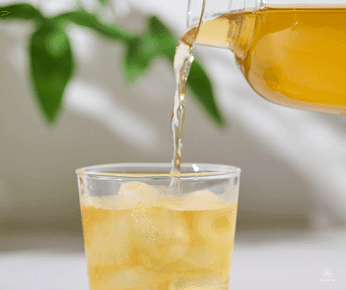
Best Teas to Drink Cold for a Refreshing Midday Break
Not every tea moment has to feel warm, slow, and wrapped in stillness.
In warmer weather, tea can offer something different: a lighter kind of reset. Poured over ice, enjoyed in a glass cooled with condensation, or prepared ahead for the middle of the day, cold tea can feel clear, bright, and quietly restorative.
That is part of what makes it so useful in summer. When the day feels hot, crowded, or slightly overfull, cold tea does not need to do much to help. It can create a pause without heaviness, refresh without sharpness, and bring a little more clarity to the afternoon.
In this guide, we will look at why cold tea works so well in warmer weather, which tea types are best to drink cold, and how to build a simple midday tea ritual around them.
Why Cold Tea Feels So Good in Warm Weather
Some tea moments ask us to slow down through warmth. Others do it through freshness.
In hot weather, a cold cup of tea can change the feeling of a moment almost immediately. Ice, cool glass, lighter texture, and a cleaner finish all make tea feel more open and easier to return to. Instead of creating a cocoon, cold tea creates space.
That difference matters in summer. On hot days, many people are not looking for comfort in the same way they do in colder months. They are looking for relief, ease, and something that feels lighter on the body. Cold tea meets that need naturally.
A cooler kind of reset
Tea does not always need warmth to feel grounding. Sometimes, what helps most is a cooler kind of presence—something that clears rather than wraps, and refreshes rather than slows too heavily.
Why midday is often the best time
Morning routines often get the most attention, but the middle of the day is when many people need a reset most. By then, attention has already been spent. The weather may feel heavier. Work or errands may have filled the day with noise.
Cold tea fits especially well here. It offers a short, refreshing break without making the afternoon feel slower than it needs to be.
What Makes a Tea Taste Good Cold?
Not every tea behaves the same way over ice.
Some teas remain clear and expressive when cooled. Others become flatter, more bitter, or less balanced if brewed carelessly. In general, teas that taste good cold tend to have one or more of these qualities:
- a clean finish
- natural sweetness
- balanced aroma
- enough structure to hold their character even when chilled
- low bitterness when brewed properly
This is why choosing the right tea matters. A good cold tea should still feel like tea—not just flavored water, and not something masked by sweetness.
Aroma still matters, even when the tea is cold
Cold tea changes the experience, but it does not erase aroma. Some teas feel especially appealing when chilled because their natural fragrance becomes lighter, cleaner, or more lifted in a cold format.
Texture becomes more noticeable
When tea is cold, body and texture become easier to notice. Some teas feel crisp and bright. Others feel rounder and fuller. This is part of what makes cold tea interesting: temperature changes the way the tea is experienced, not just the way it is served.
Best Tea Types to Drink Cold
If you are wondering which teas are best to drink cold, a few types tend to work especially well.
Oolong tea
Oolong tea is one of the most versatile options for drinking cold. Depending on the style, it can feel floral, smooth, lightly creamy, roasted, or gently sweet. Many oolongs hold their shape beautifully over ice and still feel layered when chilled.
This makes oolong especially good for people who want a cold tea that still feels nuanced rather than one-dimensional.
Green tea
Green tea can be excellent cold when brewed with care. Its fresher, cleaner profile often feels especially appealing in warm weather. Chilled green tea can feel bright, clear, and easy to drink in the middle of the day.
For many people, green tea is one of the easiest warm-weather choices because of its naturally lighter character.
Black tea
Black tea may not be the first tea some people think of for cold drinking, but it can work beautifully—especially if you want more body, depth, or a fuller afternoon cup. A good black tea served cold can still feel refreshing while offering a little more richness than green tea or lighter oolong.
This makes it a useful choice for people who want cold tea with more presence.
Whole-leaf tea bags for convenience
If the goal is to make cold tea part of everyday life, ease matters. Whole-leaf tea bags can be one of the simplest ways to prepare tea for hot afternoons, especially when time is short.
They make it easier to build a routine around cold tea without needing to measure leaves every time. For beginners, this can be the difference between a tea ritual that sounds nice and one that actually happens.
Tea Bags or Loose Leaf for Cold Tea?
Both can work well, but they serve slightly different needs.
Tea bags for speed and simplicity
Tea bags are often the easiest way to make cold tea part of the day. They are practical, consistent, and easy to prepare before work, during lunch, or in the middle of an afternoon break.
If you want something you can return to without much setup, tea bags often make the best starting point.
Loose leaf for more control and texture
Loose leaf tea can offer more room to adjust strength, brewing time, and overall expression. For people who enjoy the process itself, loose leaf can make cold tea feel more intentional and more tailored.
This is especially useful if you enjoy experimenting with how different teas open in a chilled format.
The better choice is the one that fits your day
Cold tea should feel easy enough to repeat. If tea bags help make that possible, start there. If loose leaf feels enjoyable and sustainable, begin there instead. The best setup is the one that fits real life.
How to Build a Simple Midday Tea Break
Cold tea becomes more meaningful when it is attached to a real moment in the day.
For many people, the best time is not early morning or late night. It is the middle of the day—when energy has dipped, attention feels scattered, and the weather or workload has started to weigh on the body.
A simple midday tea break does not need much:
- one tea you enjoy drinking cold
- a glass or cup you like reaching for
- a few minutes away from the next task
- enough pause to actually notice the tea
This is where cold tea becomes more than a beverage. It becomes a transition.
Keep the ritual light
A midday break should not feel like another task. The beauty of cold tea is that it can be simple. A glass over ice, a prepared bottle in the fridge, or a quick steep before lunch can be enough.
Let refreshment be part of the ritual
In colder seasons, tea rituals often center warmth. In summer, refreshment itself can become the ritual. The chill of the glass, the look of the ice, the first cool sip—these things can become their own kind of pause.
Internal link suggestion:
Link tea ritual for beginners to your article Tea Ritual for Beginners: A Simple Way to Slow Down.
Over Ice or Cold Brew: Which Is Better?
There is no single best method. It depends on what kind of experience you want.
If you are new to cold tea, start over ice. It is faster, easier to adjust, and simpler to work into everyday life.
Over ice
Pouring tea over ice can feel immediate, bright, and visually satisfying. It is ideal when you want the cooling effect right away and enjoy the sensory side of the experience—the ice, the sound, the condensation, the shift in temperature.
Over ice is also easier for beginners because you can quickly see how the tea tastes and adjust strength, dilution, or ice level next time.
Cold brew
Cold brewing takes longer, but it often creates a smoother and softer cup. This can be especially useful for teas that may feel too sharp when brewed hot and then chilled.
Cold brew works well if you like preparing tea ahead of time and want something ready in the fridge for later.
Both can fit into a summer tea ritual
The best method is the one that suits your rhythm. If you want speed and clarity, over ice may feel right. If you want softness and preparation ahead of time, cold brew may fit better.
Frequently Asked Questions About Cold Tea
What is the best tea to drink cold?
Oolong tea, green tea, and black tea can all work well cold, depending on the flavor and body you want. Oolong is often the most versatile, green tea feels fresh and light, and black tea gives more depth.
Does tea lose flavor when served cold?
Some teas become flatter when chilled, but others stay expressive and balanced. The key is choosing teas with good natural structure and brewing them carefully.
Is cold tea good for an afternoon break?
Yes. Cold tea can be especially useful in the middle of the day because it feels refreshing without being too heavy. It can help create a small pause when attention starts to dip.
Are tea bags or loose leaf better for iced tea?
Both can work. Tea bags are usually easier for quick daily use, while loose leaf offers more control if you enjoy the process.
Final Thoughts
Cold tea is not only a summer version of hot tea. It creates a different kind of experience.
Over ice, in a cooler light, or in the middle of the day, tea can become a lighter form of pause—one that refreshes the body, clears the moment, and makes the afternoon feel a little more open.
That is what makes it worth returning to in warm weather. Not only the coldness, but the way it changes the shape of the day.
Start with our tea sampler — an easy way to find the tea you enjoy most, hot or cold.